


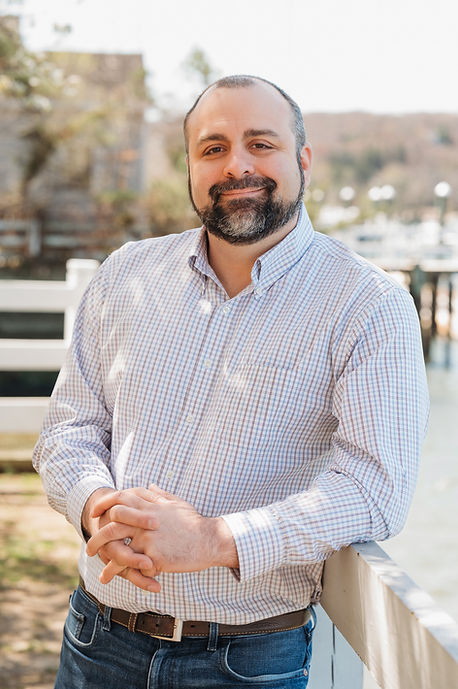


Meet Peter
Hi! My name is Peter and I am the Associate Director here at the Gooding Wellness Group. I am certified as a Licensed Clinical Social Worker (LCSW) and a Credentialed Alcohol and Substance Abuse Counselor (CASAC) with over a decade of professional experience in a wide range of specialties, ranging from residential care, to hospital social work, and to private practice. I’d like to tell you a little bit about my story and how I ended up at Gooding Wellness so you can get a better idea of who I am and what I do.
Peter Juliano, LCSW, CASAC
Associate Director / Licensed Clinical Social Worker
A Safe Place to Land
I began my career as a counselor in a long-term residential treatment center for adolescents grappling with substance abuse and co-occurring mental health disorders. This is a very vulnerable population of clients that are often scared, frustrated, and lacking hope. Although this work presents its challenges, I pride myself on my ability to connect with young people and help them develop the coping skills they need to build themselves a better life. It’s important that we provide kids with these tools early on so that they can use them to flourish on their own outside of the treatment center. Sometimes, all it takes is one safe adult with the right resources to turn a teen’s life around. It was and continues to be an honor to act as that safe person for so many of my clients.


Support for the Whole Family
During this preliminary phase of my career, I learned how the impact of substance abuse reaches beyond the struggling individual but affects their families and loved ones as well. Healing does not happen in isolation- it truly takes a village. However, a support system cannot be as sturdy and reliable as we need them to be if they are not receiving support themselves. The pressures that come along with caring for someone struggling with addiction or any other mental health battle are serious, but too often they are swept under the rug. I developed a passion for ensuring that my clients’ support systems were receiving the proper support as well, for everyone’s benefit. With this in mind, I progressed into a family therapist role at the same residential facility, and eventually went on to become the Family Services Coordinator. I was successful in engaging family systems in the treatment process and empowering them to heal together.
Connecting People and Resources
My journey in residential care progressed as I moved on to become a program manager, and, ultimately, a clinical director. I believe that the treatment process is not limited to the work between one client and one clinician, but is about finding and using any and all resources that can facilitate healing. In my leadership roles, I was responsible for the clinical integrity of the residential program. With that responsibility, I was able to foster a program culture that promoted healing, growth, and connection. I was able to connect my clients and clinicians with resources both within and outside of our program that ensured our clients were getting the best possible care with the best possible results. Treatment programs are not one-size-fits-all, and I have always understood that what I can provide for a client might not be the right fit for them. For this reason, I have always prioritized community outreach and connecting with resources outside of my own practice, so I always have quality referrals available.


Educating the Next Generation
A significant portion of my career has also been dedicated to educating the upcoming generation of behavioral health professionals. As a CASAC instructor at the Outreach Training Institute and an adjunct professor at Adelphi University School of Social Work, I was able to foster a productive learning environment for my students to understand the foundational knowledge and clinical skills they need for their future. My aim has always been to foster a generation of social work professionals that are just as competent as they are compassionate. I want them to understand every strategy and therapeutic approach in the book, while also understanding when it’s time to put the book down to listen, connect, and feel.
Finding My Fit
When I first came across the work that Gordon was doing at Gooding Wellness, I immediately felt that his mission connected with my values of quality care, community connection, and life-long education. I believe I have found a perfect fit for myself within this practice, as it allows me to both showcase and build upon all of the skills I’ve learned through my previous experiences. I continue to work with clients battling substance abuse, as well as their families and loved ones. As a part of the Gooding Wellness leadership team, I am able to utilize my managerial and networking experience to connect our clients to the best resources possible (even if those resources are not within our practice). I am also able to channel my passion for education through mentoring and supervising fellow clinicians within the practice. I am able to provide guidance, support, and consultation to ensure the highest quality of care for our clients. It was a pleasure to discover that Gordon and I had shared these values of quality, compassionate care, and we have since joined forces to bring these values to our Long Island community. Everything I have worked on in my life has prepared me for this, and I intend on continuing to work with this revolutionary practice for many years to come.

How I Can Help
As an LCSW and a CASAC, I am qualified to treat a wide range of clients and issues, including (but not limited to) substance abuse, anxiety, depression, OCD, and trauma. My role as the Associate Director of Gooding Wellness has allowed me to oversee the practice as a whole and participate in improving the practice from an administrative level. However, I also have the pleasure of continuing individual, couples, and family therapy sessions, and I deeply value being able to continue making an impact on a smaller scale. Within my counseling sessions, I have extensive experience in a wide variety of evidence-based treatments, including cognitive behavioral therapy, motivational interviewing, dialectical behavior therapy, positive psychology and mindfulness. Through an advanced training program, I am also currently on my way to receiving further certification in Eye Movement Desensitization Reprocessing EMDR, which is a powerful therapeutic approach that aids clients in processing distressing memories to reduce their emotional impact. I understand that no two people are alike, and I work with each client to explore my toolbox of therapeutic approaches to develop a plan that works best for them.
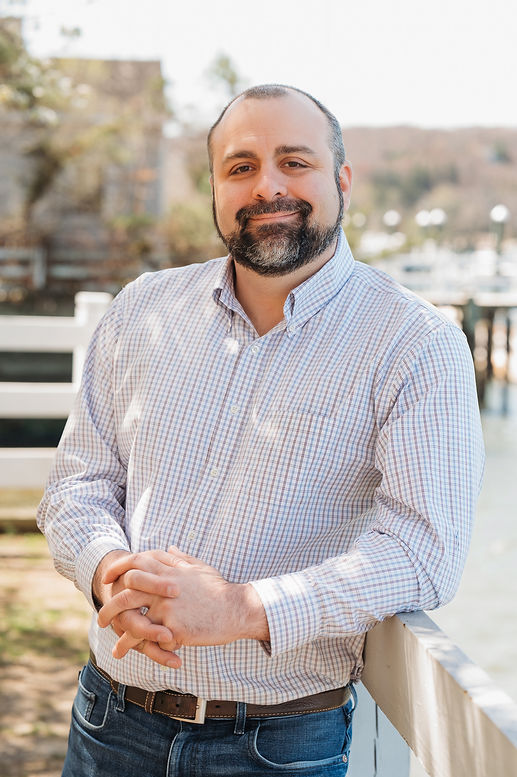
Check Out Peter on
The Good Exchange Podcast


Read Some Of Our Latest Blogs


